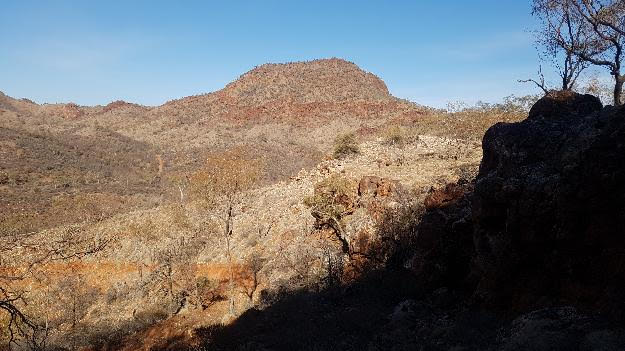
Mt Painter
At the heart of an ancient, long-lived hydrothermal system driven by radiogenic heat from deep granites.


Expedition Series
Overview
In 2026, MSA continues its long-running expedition series with a return to the spectacular Arkaroola region in the northern Flinders Ranges.
Planetary Geology Field Week is designed to support geologists, engineers, and students undertaking research, instrument testing, and field work across the region's fascinating geology and planetary analogue terrain. That said, we warmly welcome anyone simply keen to come along for the journey and learn from experts in the field.
It is a seven-day round trip, departing Adelaide on Sunday 9 August and returning on Saturday 15 August.
We handle the logistics. For the duration of the trip, MSA takes care of transport, food, and accommodation. All you need to do is get to the nominated pick-up location with your personal gear and field equipment — then we're heading north.
Places are limited and we are accepting expressions of interest now. See the organiser contacts at the foot of this page to reserve your spot.
Field Highlights
Join an excursion led by Steve Hore of the Geological Survey of South Australia, unpacking the geological succession and evolution of the region — a deep-time tour spanning more than 800 million years of Earth history.
At the heart of an ancient, long-lived hydrothermal system driven by radiogenic heat from deep granites.
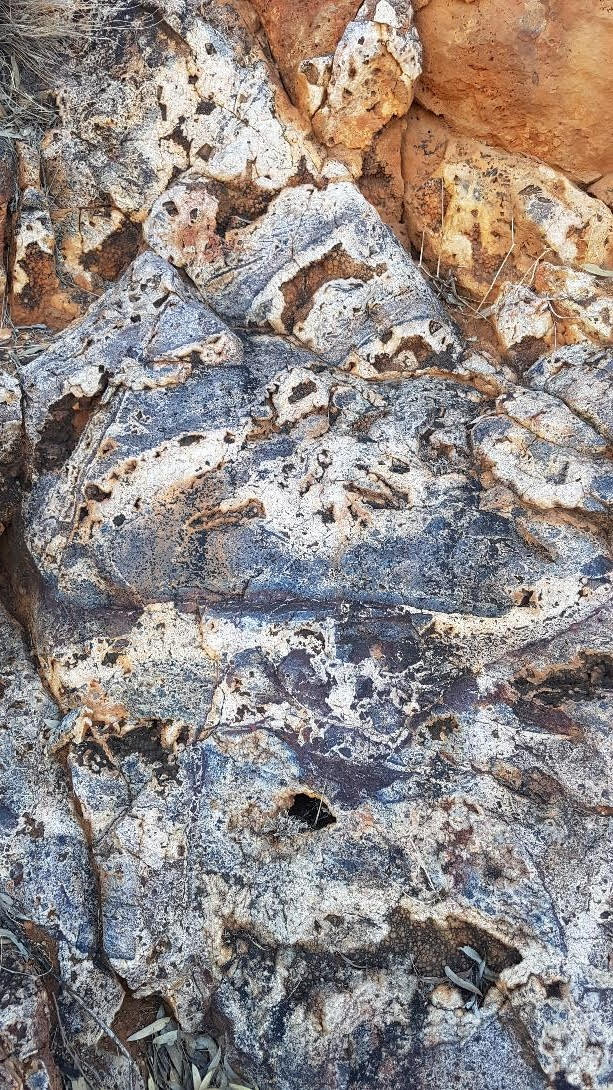
Striking hydrothermal breccia and high-level sinter — a window into fossil geothermal plumbing.
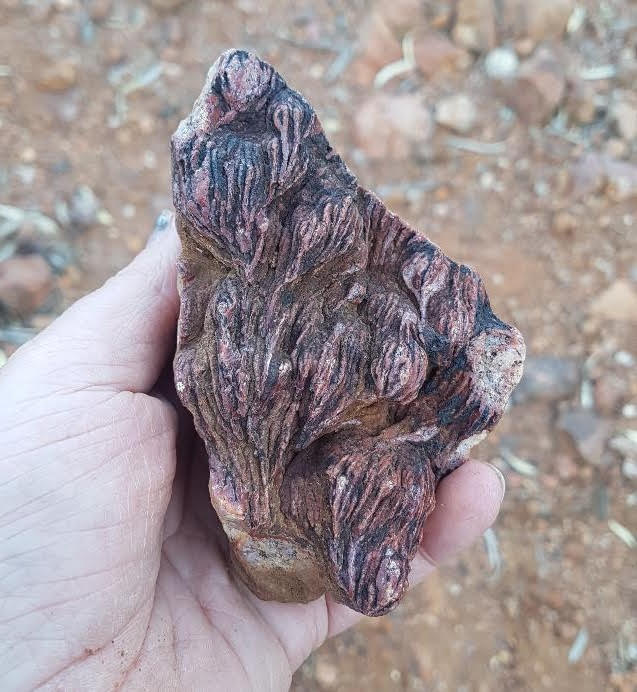
Candidate biosignatures at Mt Gee — exactly the kind of target astrobiologists hunt for on Mars.
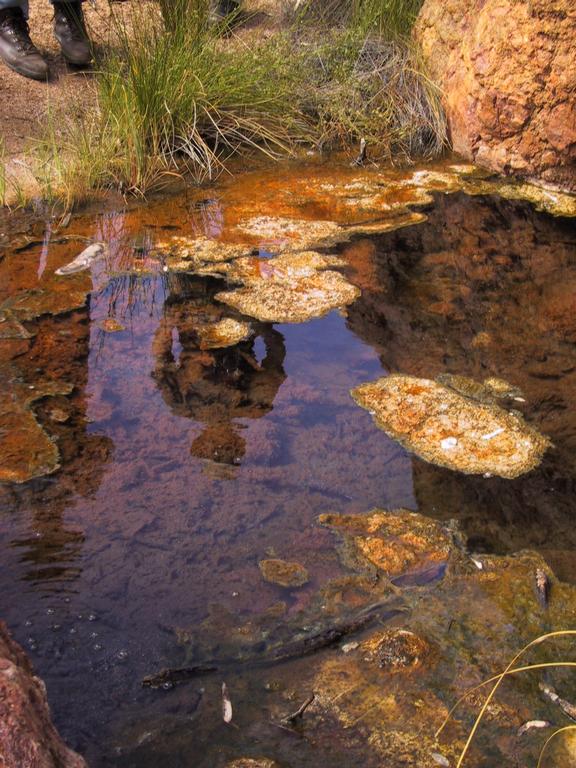
Australia's only known radioactive warm springs — a living analogue for hydrothermal habitability.
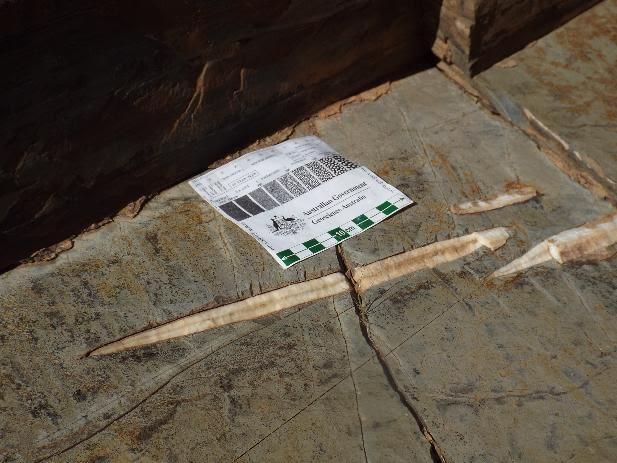
Veins that may host microfossils of a deep, hot biosphere — possible traces of life far below the surface.
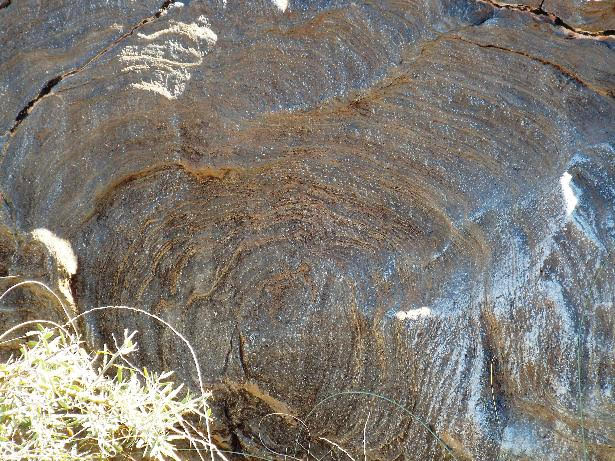
Layered microbial structures recording some of the earliest evidence of life on Earth.
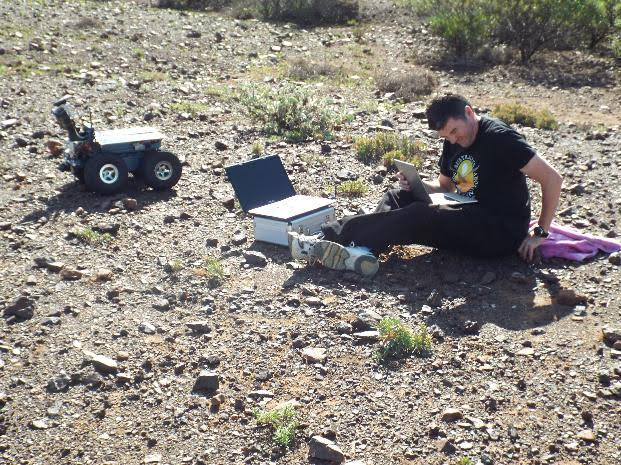
Test instruments, field robotics, and UAVs across a range of scientific and engineering settings.
Drive the geological trail to inspect Cryogenian sediments, the Ediacaran Golden Spike, the Acraman impact ejecta layer, and signs of the Cambrian explosion.
Follow-up visits include field work at Mt Gee, Mt Painter, Oppaminda Gorge, Paralana Springs, and potentially other sites on request. You'll work alongside fellow planetary geologists, astrobiologists, and aerospace engineers.
Accommodation
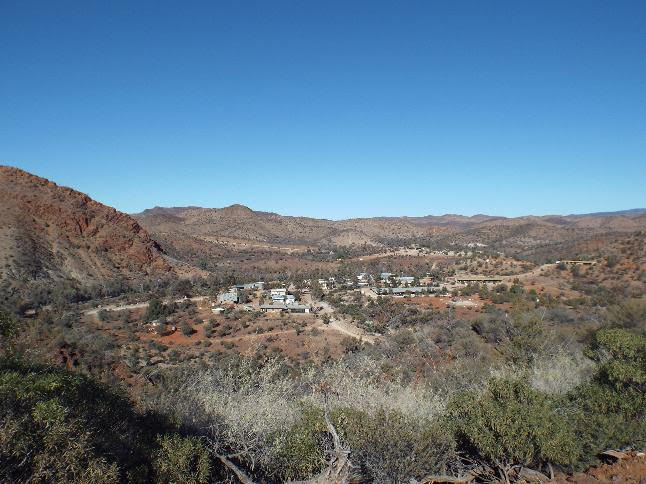
We'll be staying at the beautiful Arkaroola Wilderness Sanctuary in the Shearers' Quarters group accommodation. Rooms are bunk-style, so expect to be sharing — a return to uni field-trip days for some, and business as usual for others.
We're looking forward to social evenings and impromptu expert talks. That said, the scenery around where we're staying is vast and quiet, so a peaceful interlude is only ever a short stroll away.
Meals: AWS caters for us throughout. All meals from dinner on the 9th to breakfast on the 15th are included in the ticket price. We recommend carrying some extra cash for a "roadside lunch" travelling between Arkaroola and Adelaide, and for the small store at Arkaroola — and loading up on snacks before departure if you can.
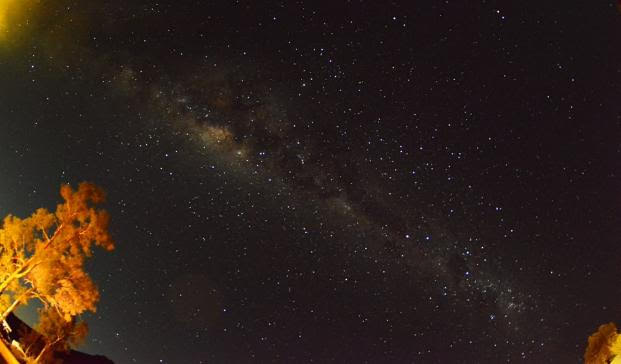
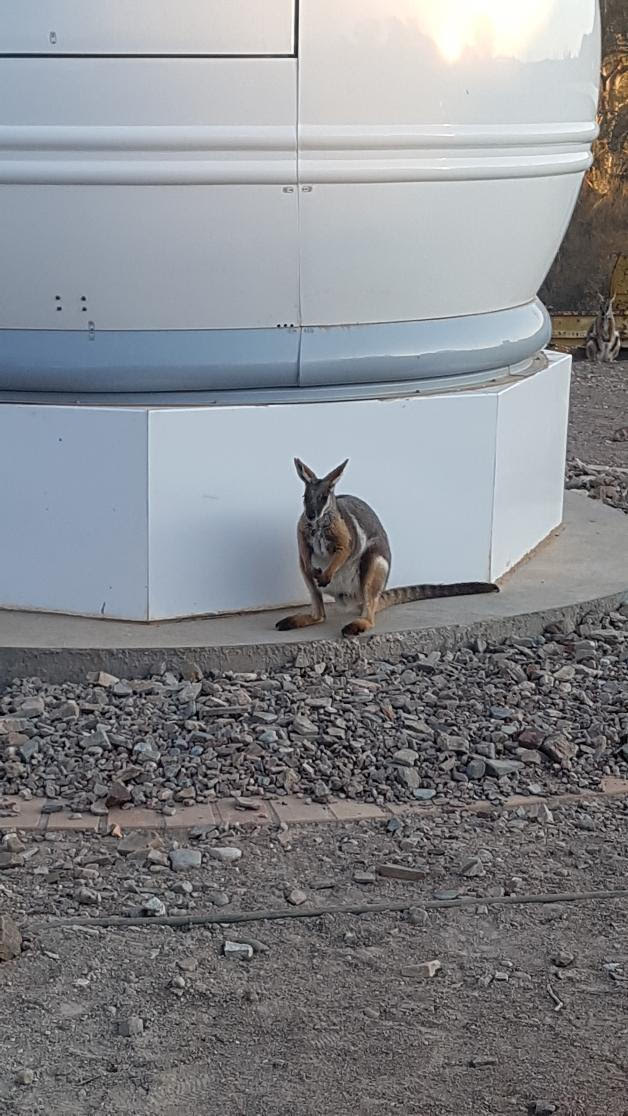
Winter nights in the Flinders Ranges are crisp and clear, and AWS hosts a collection of astronomical facilities and observatories. The trip dates encompass the August New Moon — our best chance at truly dark skies.
Equipment & Logistics
4WD vehicles, first-aid kits, navigation devices, radios, and emergency communications equipment are all provided (though feel free to bring your own equivalents).
We can also supply certain general stationery, lab, and field consumables — marker pens, batteries, electrical tape, and the like — but assume nothing!
If you wish to conduct research, trial robotics and instrumentation, fly UAVs, or undertake sampling, please tell us as soon as possible. We'll liaise with Arkaroola management to negotiate permissions.
The more detail you share about your fieldwork intentions, the better — it all helps us design and optimise the site itinerary. Ideally, bring enough material and supplies to match your needs, and reach out if travel weight restrictions might leave you tight.
Key Dates
Meet at the nominated pick-up location for an early-morning departure. Load vehicles and travel north in convoy, arriving at Arkaroola late afternoon.
Five full days exploring the field sites, staying at the AWS Shearers' Quarters group accommodation.
Load vehicles early and depart Arkaroola, arriving in Adelaide late afternoon. Farewells and an optional group supper.
Cost
Next Steps
Let us know you're interested and we'll reserve a spot — no deposit required. Send through your fieldwork intentions and a list of equipment you'll be bringing (including weight/dimensions for larger items).
We'll send out some paperwork and a participant info pack, including a more detailed itinerary and a recommended packing list.
Once we receive your payment and paperwork, we'll confirm your participation. Then it's just a matter of getting yourself to Adelaide.
Contact
If you're interested in participating, please don't delay getting in touch with one of the organisers below.
Geologist with expertise in Martian terrestrial analogues.
Commercial diver & planetary exploration enthusiast.
Specialist in exogeoconservation of Mars.
Geologist & planetary scientist, postdoc at NASA JPL.
Then we're heading north.